
Bioresonance
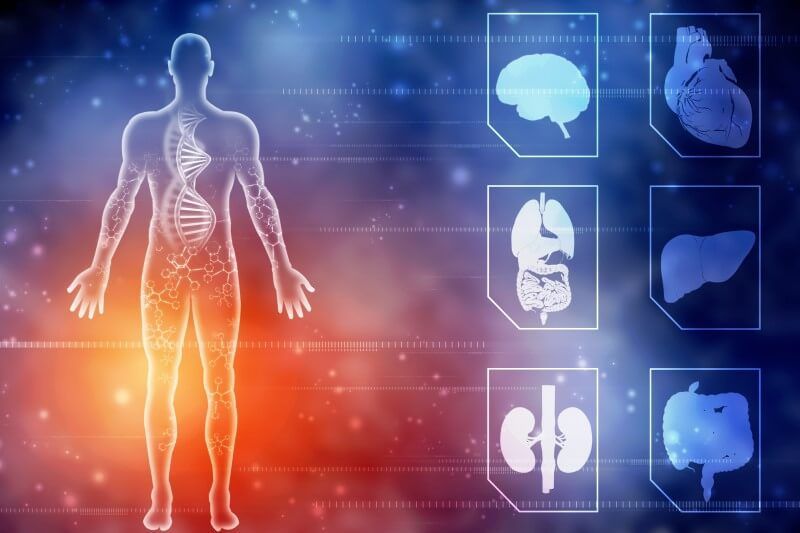
Bioresonance is a complementary assessment technology that uses the reading of the electromagnetic frequencies of the human body, based on the principle that each organism emits specific energy patterns that reflect its functional state.
Understanding this approach
These frequencies are associated with the activity of the body's organs, tissues, and systems, allowing for a comprehensive and integrative assessment focused on the body's functioning and its adaptation and self-regulation processes.
What is Bioresonance Used For?
Bioresonance allows for the identification of functional and energetic imbalances before the manifestation of evident symptoms, supporting a preventive and personalized approach to health. The analysis obtained contributes to a deeper understanding of the person's overall state, helping to guide appropriate therapeutic strategies.
Benefits of Bioresonance
- Integrative assessment of the organism's functional status.
- Support for the early identification of imbalances.
- Non-invasive and painless approach
- Guidance for personalized follow-up plans
- Contribution to the prevention and promotion of well-being.
- Improved overall perception of health and quality of life.
How the Consultation Works
During the consultation, the person is positioned comfortably while a specific bioresonance device collects information regarding the electromagnetic frequencies emitted by the body. The data obtained is subsequently analyzed by the professional, allowing for an individualized assessment, which serves as the basis for defining an integrative follow-up plan.
A Complementary and Safe Approach
Bioresonance is a non-invasive, safe, and complementary technique, not a replacement for conventional medical examinations or clinical diagnoses. It is used to support the overall assessment of health, integrating into a conscious and personalized approach to care.